

Countries
© Copyright 2025 by phoenixconsultz. Designed By Sunseaz Technologies.

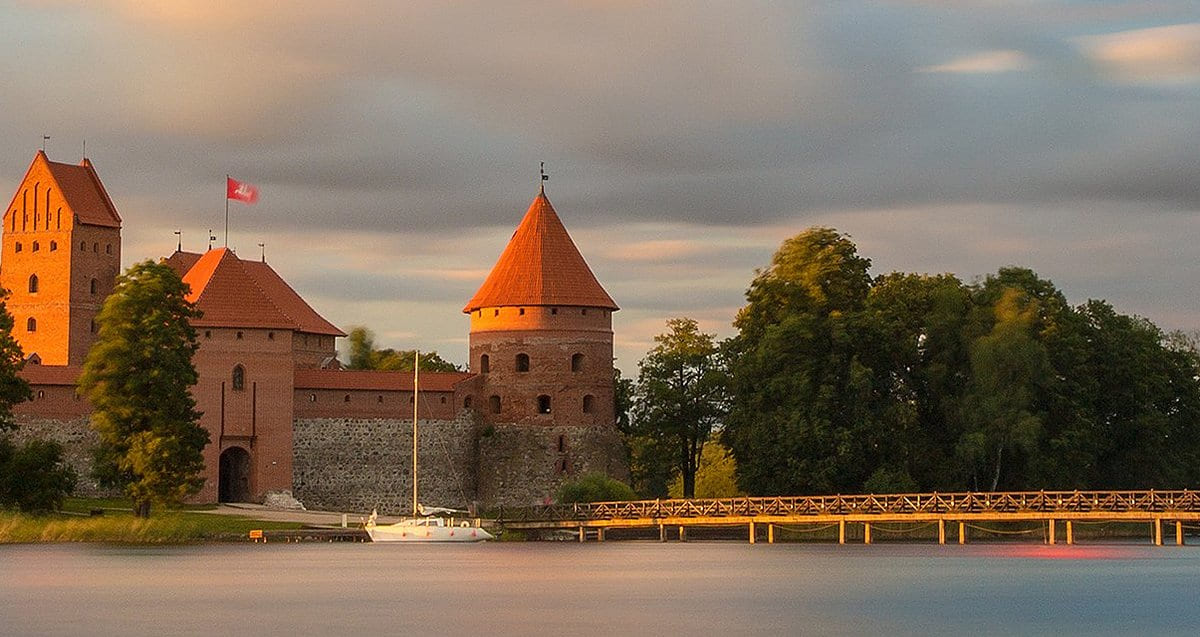
Studying in Lithuania offers high-quality education, affordable living costs, and a rich cultural experience in the heart of Europe.
Lithuania is fast becoming one of the most attractive destinations for international students seeking a high-quality, affordable European education. Home to a number of internationally recognized universities, Lithuania offers a wide range of degree programs in fields like engineering, medicine, business, IT, and social sciences, many of which are taught in English. Whether you're pursuing an undergraduate, master's, or doctoral degree, Lithuania's academic institutions combine modern teaching methods with cutting-edge research, providing students with the tools needed to excel in their careers.

Fill in the form to get personalized study abroad guidance.

Submit your documents for a smooth and secure admission process.

Access essential guides for a successful visa application.
Lithuania is an increasingly popular destination for international students seeking quality education in a European setting. Known for its high academic standards, modern universities, and affordable tuition, Lithuania offers an excellent balance of education and cost-effectiveness. With a wide range of degree programs available in English, students can pursue their academic goals in fields such as engineering, business, IT, and medicine, while gaining access to world-class research facilities and teaching methods.

Phoenix Consultz, we are proud to be one of the leading Lithuanian education consultancy firms in India, specializing in overseas admissions—especially for students aspiring to study in Lithuania. We offer personalized guidance and end-to-end support at every stage of your journey, from selecting the right university to handling applications and visas. With a strong presence in cities like Hyderabad, Vijayawada, Visakhapatnam, Bangalore, Davanagere, Chennai, Cochin, Trivandrum, Calicut, and many other parts of India, Phoenix Consultz has built a remarkable track record of placing numerous students in top universities across Lithuania.
The academic year commences from September and ends in mid-June and is divided into two semesters, spring and autumn. Students have an option to study either full-time or part-time.
Each study programme in lithuania is assessed according to the European Credit Transfer System (ECTS), with each year of study awarded with 60 ECTS credits.
Non-university education is undergraduate studies, and they come in the first cycle.
University degrees are offered in three cycles:
During the first cycle, a candidate can opt to study for a Bachelor’s degree and a professional qualification for which you will require 180 – 240 ECTS. When you finish the course, with or without a professional qualification you get a Bachelor’s Diploma. If you only wish to study for the professional qualification, then you will get a Higher Educational Diploma.
Bachelor degrees along with professional qualifications are offered at universities whereas professional qualifications, without degrees, can be taken at colleges.
If you are in the second cycle (or aim to be there) and you wish to study for a Master’s degree or any specialised professional qualification one of the possibilities open to you is the Integrated study programmes. These programmes combine studies of the both first and second cycles. On a successful completion, graduates are awarded a Master’s Diploma which testifies their Master’s degree status. You can also achieve a professional qualification. If you are pursuing Master’s Diploma (which is only offered at the universities), you will have to obtain 90 – 120 ECTS credits.
At this level, if you study for the professional qualification you will be awarded a Higher Education Diploma. The main purpose of the specialised professional studies at this level is to obtain a qualification in a particular field.
In the third cycle, students study at the level of postgraduate qualification. This could be either a Doctorate, a Residency or a postgraduate qualification in the Arts. Postgraduate studies are either offered by a university or a university and science institution collectively. The term of the different postgraduate studies is determined by the Government of Lithuania.
Some Higher Education institutions coordinate summer courses in addition to regular courses. These courses offer mostly academic content which usually lasts for a couple of weeks in the summer. They are often both formal and informal. In few Higher Education institutions, it is likely to gain ECTS credits and scholarships if they are included in the studies for summer courses.
Higher Education institutions in Lithuania converge to give students the skills they need to apply their knowledge practically. Therefore, students can engage educational, professional or scientific practices both locally and internationally.
It's quite common to directly accost companies and ask for opportunities for unpaid work experience. This will significantly enhance your CV and also give you practical knowledge, which will come in helpful when you are considered for a permanent position.
© Copyright 2025 by phoenixconsultz. Designed By Sunseaz Technologies.